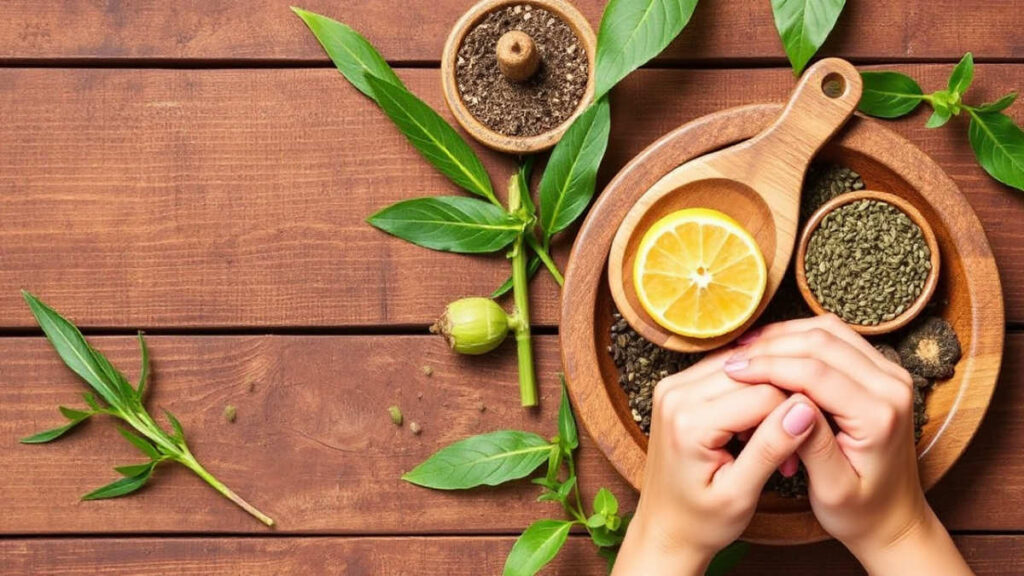
In today’s world of modern medicine, many people are turning back to nature’s pharmacy for relief from common ailments. Herbal remedies have been used for thousands of years across cultures, offering gentle yet effective solutions for everyday health issues. This comprehensive guide will explore some of the most potent herbal remedies for common ailments, backed by both traditional wisdom and scientific research.
The Power of Herbal Medicine
Herbal medicine harnesses the healing properties of plants to promote wellness and alleviate symptoms. Unlike pharmaceutical drugs, herbal remedies often work holistically, addressing the root cause of ailments rather than just masking symptoms. This approach can lead to more sustainable health outcomes and fewer side effects.
Top Herbal Remedies for Common Ailments
Chamomile for Anxiety and Sleep Issues
Chamomile is renowned for its calming properties. This gentle herb can help reduce anxiety and promote better sleep[4]. Enjoy it as a soothing tea before bedtime to ease into a restful night’s sleep.
Echinacea for Immune Support
When cold and flu season hits, turn to echinacea. This powerful herb can help boost your immune system and reduce the severity and duration of common colds[4].
Ginger for Nausea and Digestive Issues
Ginger is a versatile herb that’s particularly effective for treating nausea, motion sickness, and digestive discomfort. Whether consumed as a tea, in capsule form, or added to foods, ginger can provide quick relief[4].
Garlic for Heart Health and Immunity
Known for its pungent aroma, garlic is a powerhouse of health benefits. It can help lower blood pressure, boost immunity, and even has antimicrobial properties[4].
Peppermint for Headaches and Digestive Health
Peppermint is more than just a refreshing flavor. It can help alleviate headaches and soothe digestive issues like bloating and indigestion. Try peppermint tea or essential oil for quick relief.
How to Use Herbal Remedies Safely
While herbal remedies are generally safe, it’s important to use them correctly:
- Consult a professional: Always talk to your healthcare provider before starting any new herbal regimen, especially if you’re pregnant, breastfeeding, or taking medications[5].
- Quality matters: Choose high-quality, organic herbs from reputable sources to ensure potency and avoid contaminants[3].
- Start slow: Begin with small doses and gradually increase as needed to avoid any adverse reactions.
- Be patient: Unlike pharmaceutical drugs, herbal remedies may take time to show effects. Consistency is key.
The Science Behind Herbal Medicine
While traditional use provides valuable insights, modern research is increasingly validating the efficacy of herbal remedies. Studies have shown that many herbs contain bioactive compounds that can have significant effects on human health.
Integrating Herbal Remedies into Your Lifestyle
Incorporating herbal remedies into your daily routine can be simple and enjoyable:
- Start your day with an immune-boosting echinacea tea
- Keep ginger candies on hand for quick nausea relief
- Use lavender essential oil for relaxation before bed
- Add fresh herbs like basil and oregano to your cooking for added health benefits
Growing Your Own Herbal Medicine Garden
For the ultimate in freshness and sustainability, consider growing your own herbs. Many medicinal herbs are easy to grow, even in small spaces. A windowsill herb garden can provide you with fresh chamomile, mint, and other healing herbs year-round.
The Future of Herbal Medicine
As interest in natural health solutions grows, research into herbal remedies is expanding. This growing body of evidence is helping to bridge the gap between traditional herbal wisdom and modern medical practice, paving the way for more integrated approaches to health and wellness.
In conclusion, herbal remedies offer a natural, holistic approach to managing common ailments. By harnessing the power of plants, we can support our body’s innate healing abilities and promote overall wellness. Remember, while herbal remedies can be incredibly effective, they should complement, not replace, professional medical care. Always consult with a healthcare provider to ensure the safest and most effective treatment plan for your individual needs.
Citations:
[2] https://www.amazon.co.uk/Herbal-Remedies-Handbook-Profiles-Conditions/dp/0241342023
[3] https://www.webfx.com/industries/food-beverage/herbal-products/seo/
[4] https://www.urmc.rochester.edu/encyclopedia/content.aspx?contentid=1169&contenttypeid=1
[5] https://www.allinahealth.org/healthysetgo/heal/natural-remedies-for-everyday-illnesses